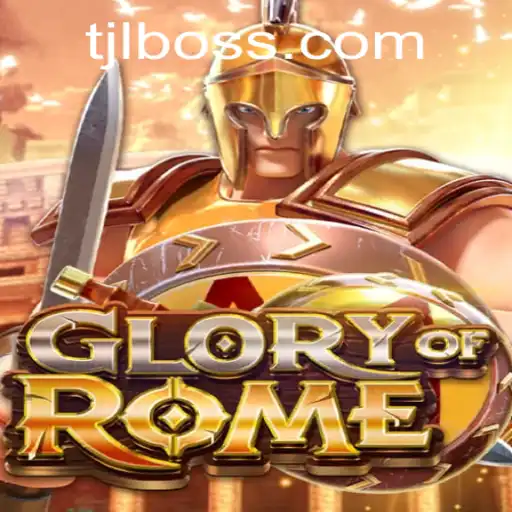

Dive into the captivating world of GloryofRome, a strategic game that blends historical elements with engaging gameplay mechanics. Discover the rules, introduction, and the excitement that awaits players.
The Strategic Depths of GloryofRome: A Comprehensive Overview
Introduction to GloryofRome
In the vast landscape of strategy games, GloryofRome stands out as a captivating blend of history and gameplay. Set against the backdrop of the ancient Roman Empire, players are tasked with building, managing, and expanding their territories while navigating the intricacies of politics, war, and diplomacy. The game has recently captured the attention of gamers worldwide, not only for its immersive experience but also for its relevance to current strategic thinking and decision-making trends prevalent in the modern era.
The Essence of GloryofRome
GloryofRome offers a unique opportunity for players to step into the sandals of a Roman leader, where every decision can shape the future of the empire. From battling barbarian hordes to forging alliances with other nations, the game challenges players to balance power, resources, and diplomacy. Its rich narrative is interwoven with historical events, providing an educational yet thrilling experience that draws players into the heart of Roman civilization.
Gameplay Mechanics
The mechanics of GloryofRome are designed to offer both depth and accessibility. Players begin by choosing their starting position on a map reminiscent of ancient Rome. The game progresses through various phases, each requiring careful planning and execution. The primary resources, including gold, food, and labor, must be managed wisely to ensure the prosperity and growth of the player's domain.
Combat is a crucial component of the game, offering a range of strategic options. Whether opting for brute force or subtle diplomacy, GloryofRome requires players to adapt to the ever-changing circumstances. The inclusion of special units and unique abilities, such as the feared Roman Legions and skilled diplomats, adds an extra layer of strategy that appeals to both novice players and seasoned strategists.
Rules and Objectives
At the heart of GloryofRome are its rules and the overarching objective of achieving supremacy over the ancient world. The game employs a turn-based system, allowing players ample time to plan their strategies. During each turn, players can perform actions such as constructing buildings, training units, engaging in trade, and initiating diplomatic endeavors.
The primary objective is to establish dominance either through military conquest or shrewd diplomacy. Players must conquer territories, manage resources, and strengthen their political influence to emerge victorious. Balancing military might with economic stability and diplomatic finesse is essential to achieving long-lasting success.
Current Events and the Impact on Gameplay
Recent global events have had a surprising resonance with the themes explored in GloryofRome. The increased focus on geopolitical strategies in the real world mirrors the strategic thinking required within the game. Modern players can draw parallels between the ancient and contemporary worlds, learning valuable lessons about the complexities of leadership and governance.
Moreover, the rise of digital platforms and online multiplayer features has further enriched the gaming experience. Players can now connect with others across the globe, forming alliances and rivalries that echo the dynamics of the Roman Empire. This global interaction adds an exciting layer of unpredictability to the game, as players must constantly reassess their strategies in response to real-time developments.
Role of Social Interaction
Social interaction plays a significant role in GloryofRome, making it a dynamic digital society. Players engage in negotiations, form coalitions, and sometimes engage in espionage to outmaneuver competitors. These interactions foster a sense of community, where players share insights, strategies, and often develop a deeper appreciation for the historical context of the game.
Community-driven events, tournaments, and forums dedicated to GloryofRome encourage a collaborative environment where players can exchange ideas and improve their gameplay. The active participation of players in these events not only enhances their skills but also contributes to the evolving narrative of the game.
The Keyword: JLBOSS
Among players of GloryofRome, the term JLBOSS has emerged as a key element of strategic gameplay. It represents a formidable strategic approach that emphasizes the importance of leadership qualities and decision-making prowess. Players who adopt the JLBOSS strategy are known for their innovative tactics and commanding presence on the virtual battlefield.
This keyword has gained traction within the gaming community, symbolizing a player's capability to navigate complex scenarios and emerge victorious. The JLBOSS approach is inspired by historical leaders of the Roman Empire who demonstrated exceptional strategic insight and governance skills.
Engaging with the Past through Gameplay
GloryofRome offers more than just entertainment; it is an immersive educational tool that allows players to engage with history in a meaningful way. The accurate depiction of historical events and the inclusion of factual information enhance the educational value of the game. Players often find themselves exploring historical texts and records to gain a deeper understanding of the scenarios they encounter.
This deep engagement with history is facilitated by the game's attention to detail and commitment to authenticity. By presenting historical scenarios in an interactive format, GloryofRome encourages players to appreciate the rich cultural and political heritage of ancient Rome.
Conclusion
While GloryofRome continues to captivate players with its strategic depth and historical accuracy, it serves as a testament to the timeless appeal of well-crafted strategy games. As players navigate the challenges of ancient Rome, they gain valuable insights into leadership and decision-making, echoing the complexities faced by real-world leaders throughout history.